




Farm Equipment Support for Homegrown Food, Smarter Land Care, and Changing Tractor Markets
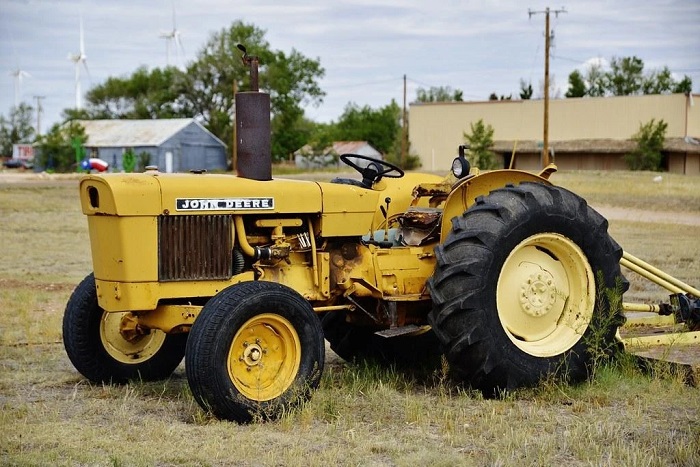
Rural property management is changing, but the core work remains deeply practical. Farmers, acreage owners, homesteaders, and land managers still need to mow, haul, grade, plant, clear, repair, maintain equipment, and keep outdoor spaces productive through changing seasons. At the same time, more people are paying attention to homegrown food, local sourcing, garden productivity, and the cost of machinery. These trends make equipment decisions more important, not less.
A tractor, mower, implement, or utility machine should not be treated as a single-purpose purchase. The right equipment becomes part of a larger property system. It may support vegetable gardens, fruit trees, field access, livestock areas, driveway care, soil preparation, storage movement, and seasonal cleanup. When equipment is chosen carefully and maintained well, it helps landowners work with more control and less wasted effort.
Why Equipment Support Matters for Productive Land
Productive land depends on timing. Soil needs to be prepared before planting. Grass needs to be controlled before it hides problems. Access routes need to be maintained before heavy use. Machines need service before the season becomes urgent. If equipment is not ready, small delays can spread across the whole property like spilled grain across a barn floor.
For farmers, acreage owners, landscapers, and rural property managers who need dependable machinery, parts, service, and practical equipment guidance, H&R Agri-Power can support smarter planning around tractors, mowers, implements, and seasonal land-care needs. The real value is not simply owning equipment. It is keeping the right machines ready for mowing, hauling, grading, planting support, garden preparation, material movement, and the recurring work that keeps rural spaces useful year after year.
Homegrown Food Needs More Than Good Seeds
Growing vegetables and fruits at home or on a small property begins with soil, sunlight, water, and plant selection, but it does not end there. Productive growing spaces need access, mulch, compost, tools, storage, pest awareness, and a steady maintenance routine. Even a modest food garden can become difficult to manage if the paths are overgrown, supplies are hard to move, or soil preparation is delayed until the weather window has already passed.
That is why equipment can matter even for smaller growing spaces. A compact tractor, utility vehicle, mower, cart, loader, or soil-working attachment can support the movement of compost, raised bed materials, mulch, irrigation supplies, fruit tree amendments, and harvested produce. Practical advice on growing and buying vegetables and fruits for the home reflects the wider interest in food quality, access, and smarter household choices. Equipment helps turn that interest into a more workable outdoor system.
Small Food Projects Still Need Practical Systems
A small orchard, vegetable plot, or greenhouse may not require large farm machinery, but it still benefits from planning. Paths should remain clear. Soil amendments should be easy to move. Water access should be considered early. Mowing around growing zones should be controlled without damaging plants. Tools and supplies should be stored where they can be used without repeated trips across the property.
The best growing spaces feel calm because the difficult work has been quietly organized. A garden may look like leaves, flowers, and fruit, but beneath that is a structure of timing, access, equipment, and care. Without that structure, even good soil can become a stage for seasonal confusion.
Changing Tractor Markets Make Planning More Important
Equipment purchases are affected by more than property needs. Interest rates, crop prices, input costs, inventory levels, used equipment values, and farm income all influence when buyers choose to upgrade, repair, or wait. When tractor sales slow, it often signals that farmers are being more cautious with large purchases and paying closer attention to total cost of ownership.
Industry analysis of the decline in core farm tractor sales in 2024 points to the kind of market pressure that makes careful equipment planning essential. For individual landowners, the lesson is practical: choose machines that fit real work, maintain existing equipment carefully, and avoid buying more tractor than the property truly needs.
Choosing Equipment by Repeated Work
The strongest equipment choices begin with the jobs that return most often. If the property requires regular mowing, mower reliability deserves priority. If compost, gravel, feed, mulch, or firewood must be moved often, loader capacity and hauling tools may matter more. If gardens and food plots are central, soil preparation and material movement should guide the equipment plan. If lanes wash out after storms, grading attachments may save hours each season.
Buying equipment for rare projects can create expensive clutter. Every machine and attachment needs storage, inspection, maintenance, and replacement parts. A smaller lineup of useful tools usually creates more value than a crowded shed full of iron daydreams. Each purchase should answer a real question the land asks often.
Maintenance Protects the Budget
When equipment markets are uncertain, maintenance becomes even more important. A well-maintained tractor, mower, or implement can continue serving the property while owners make careful decisions about future purchases. Belts wear, blades dull, batteries weaken, tires lose pressure, filters clog, bearings loosen, and hydraulic hoses age. These are normal parts of machine ownership, but they become expensive when ignored.
A practical maintenance routine should include pre-season inspections, cleaning after demanding work, proper storage, and simple service records. Owners can track part numbers, repair dates, recurring issues, and attachment use. These notes may look plain, but they can save a workday when the machine starts speaking in rattles and smoke-signals.
Brand Section: H&R Agri-Power
H&R Agri-Power serves farmers, acreage owners, landscapers, homesteaders, and rural property managers who need practical equipment support for real outdoor work. Rural land care can involve tractors, mowers, implements, replacement parts, service needs, and seasonal planning. A useful equipment source helps owners think through the full system rather than treating each machine as an isolated purchase.
That support becomes especially valuable when property goals include both practical maintenance and food production. A single property may include fields, gardens, fruit trees, driveways, lawns, livestock zones, and storage areas. Practical guidance helps owners match equipment to workload, maintain machines properly, and plan purchases with long-term value in mind.
Conclusion
Farm equipment planning now sits at the meeting point of land care, food production, maintenance discipline, and market awareness. Homegrown vegetables and fruits need more than enthusiasm. They need access, soil preparation, material movement, and consistent upkeep. Rural properties need equipment that fits repeated work, not machines chosen by impulse.
The smartest approach is steady and practical: choose equipment by real tasks, maintain machines before busy seasons, support gardens with clear access, and watch market conditions without letting them drive rushed decisions. When equipment support, food-growing goals, and land management work together, rural properties become more productive, more resilient, and easier to manage through every season.
Hello!! My name is Jeanine
I love to eat, travel, and eat some more! I am married to the man of my dreams and have a beautiful little girl whose smiles can brighten anyone’s day!