




How to unlock a car without damage: legal guidelines and safety measures
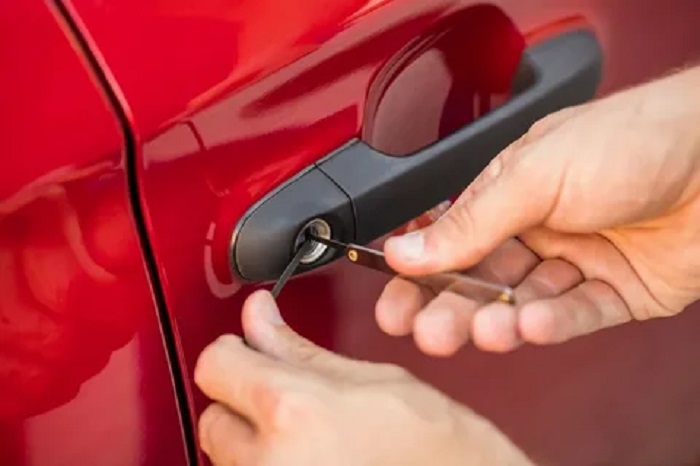
Situations requiring a car lockout service often arise unexpectedly: keys left inside the cabin, a jammed lock, or no spare key at hand. It is important to act calmly and legally: ensure you have the right to access the vehicle, have proof of ownership ready, and consider the risks of damaging locks, seals, or electronics if you attempt to open the door yourself.
To avoid unnecessary costs and complications, choose safe methods and consult professionals when needed; a locksmith Guelph can help open the vehicle without rough handling and with minimal risk to the mechanical components and security system. This article outlines key rules, common mistakes, and practical tips to help you quickly regain access to your car and reduce the likelihood of this happening again.
When is it legal to open a car? Documents and proof of ownership
Opening a car is legal only if you have the right to use it or are performing work at the owner’s request. Typical situations include lost keys, a jammed lock or alarm system, a dead battery while the doors are locked, or an urgent need to access the vehicle without damage when no other options are available.
To avoid accusations of attempted theft or property damage, prepare your documents in advance and be ready to prove ownership on the spot. The sooner you can demonstrate your right to access the vehicle, the lower the risk of conflict with neighbors, parking lot security, or the police.
What documents are usually accepted?
It is best to carry multiple forms of proof: one document verifying your identity and one or two documents linking you to the vehicle. If you are not the owner, clear proof that you are acting with the owner’s consent will be required.
- Passport or driver’s license – to verify your identity.
- Vehicle registration certificate (STS) – the clearest proof of your connection to the vehicle.
- Power of attorney (if the vehicle is registered to another person) – preferably specifying the right to drive or represent the owner’s interests.
- Purchase agreement or other proof of acquisition – useful if the registration has not yet been updated.
- Insurance policy (if available) – as additional confirmation of your connection to the vehicle.
- If the documents are not at hand (e.g., they were left inside the car), try to provide indirect evidence: photos of the documents in official apps, access to government service portals or insurance accounts, or confirmation from the owner via phone. If others express doubt, it is safer to stop acting on your own and instead use official services.
Calling for professional help: how to proceed safely
In disputed situations, public places, or conflicts with others, it is wiser to rely on professionals; this minimizes the risk of vehicle damage and third-party claims. It is important to explain to the operator that you specifically require an emergency lockout service that does not cause damage, and to clarify which documents you need to show the technician on-site.
- Call an official roadside assistance provider (insurance company, dealer, or auto club) or a reputable emergency lockout service.
- Have the necessary documents ready for the technician to check: proof of identity and proof of ownership or authorization.
- Make a note of the service call details: the request number, time, and the technician’s full name (if provided)—this is useful should any questions arise later.
- If there is a risk of misunderstanding (e.g., at night, in a residential courtyard, or in a shopping mall parking lot), do not get into an argument; if necessary, call the police to document the situation and verify the documents.
You should not attempt to force the car open or use «makeshift tools,» especially if you are unsure about the legality of your actions or cannot prove ownership. In such cases, calling a professional service and being prepared to present the required documents is the safest way to proceed legally and avoid unnecessary complications.
Hello!! My name is Jeanine
I love to eat, travel, and eat some more! I am married to the man of my dreams and have a beautiful little girl whose smiles can brighten anyone’s day!