



Vehicle evacuation: driver’s actions and useful tips
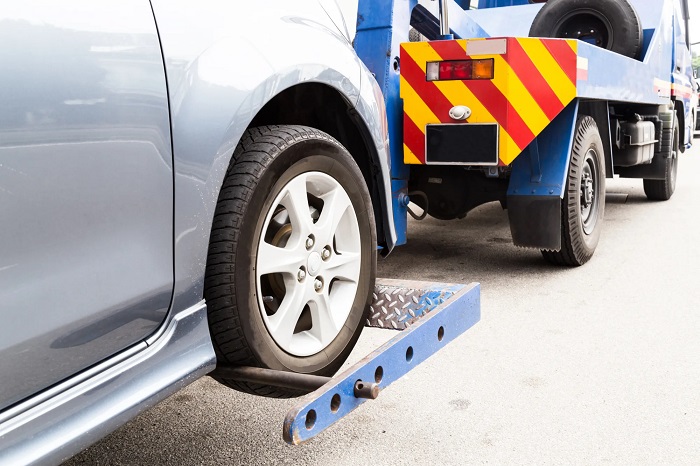
Vehicle towing is the forced or voluntary removal of a vehicle using specialized equipment. It is most often required for parking violations, after an accident, due to a breakdown, or when the vehicle is obstructing emergency services or other road users.
To avoid unnecessary expenses and wasted time, it is important to know the basic rules: when towing is legal, what to do on the spot, what documents are required, and how to properly organize the transport of the vehicle to an impound lot or service center. More details on this at https://mtstowing.ca/.
Summary: When towing is legal and how to reduce the risks
Towing to an impound lot is used only in cases expressly provided for by law: when the violation creates a safety threat, significantly impedes traffic, or makes it impossible to safely continue the journey. In other situations, a more lenient measure (e.g., a fine) is required, or solutions to resolve the violation on the spot should first be offered.
Key guide: if the cause of the violation can be immediately eliminated (move the car, provide documents, arrange for a sober driver with a license) and it does not conflict with the requirements, towing can be avoided – but you must act quickly and record the incident.
Driver’s guide: what to check and what to do
Towaway is usually legal when there are grounds from the list, and the car cannot be left in place without risk:
- parking/stopping in places where it is prohibited and the car actually obstructs traffic or creates a danger (roadway, intersection, pedestrian crossing, etc.);
- violating stopping/parking rules in lanes and areas where it is critical for traffic flow (e.g., public transport, entrances/exits);
- driving without a license driving or with the deprivation of a license (the car is detained);
- signs of intoxication and the inability to transfer control to a sober driver with a license on the spot;
- other situations where the law provides for the detention of a vehicle and its removal to a special parking lot.
Exceptions and typical reasons to challenge a towing:
- the violation has already been corrected before the start of the towing (they managed to move/remove the car);
- there is no objective obstruction to traffic, and towing is applied instead of the prescribed fine;
- the procedure is violated: rights were not explained, documents were not completed, there are no witnesses/video recording where required, a copy of the protocol was not issued;
- there is no opportunity to pick up the car before it is sent to the parking lot if the owner arrives on time;
- the place/time/reason for detention, data are incorrectly indicated The car is in a state of disrepair or the required vehicle and property markings are missing.
Practical steps to reduce costs and protect your rights:
- Immediately clarify the reason for the detention and request that the documents be properly completed.
- Try to rectify the cause on the spot (move the car, hand over control to a sober, licensed driver, provide documents).
- Record the situation: photos/video of signs, markings, the car’s position, the time, and the actions of officials.
- Check the report and the report: a list of items in the car, damage, and seal/sealing marks.
- If the car has been towed, retrieve it as quickly as possible to avoid increased storage costs, and, if necessary, appeal the detention and the costs.
Hello!! My name is Jeanine
I love to eat, travel, and eat some more! I am married to the man of my dreams and have a beautiful little girl whose smiles can brighten anyone’s day!